Computational scientist · AI engineer · Bioinformatics PhD
Rye Howard-Stone builds evidence-grade AI and data systems for large, messy corpora.
I build systems for data that is too large, noisy, or high-stakes to reason through by hand — public records, scientific literature, microbiome genomes, sequencing reads — turning it into searchable, auditable software and plain-English insight.
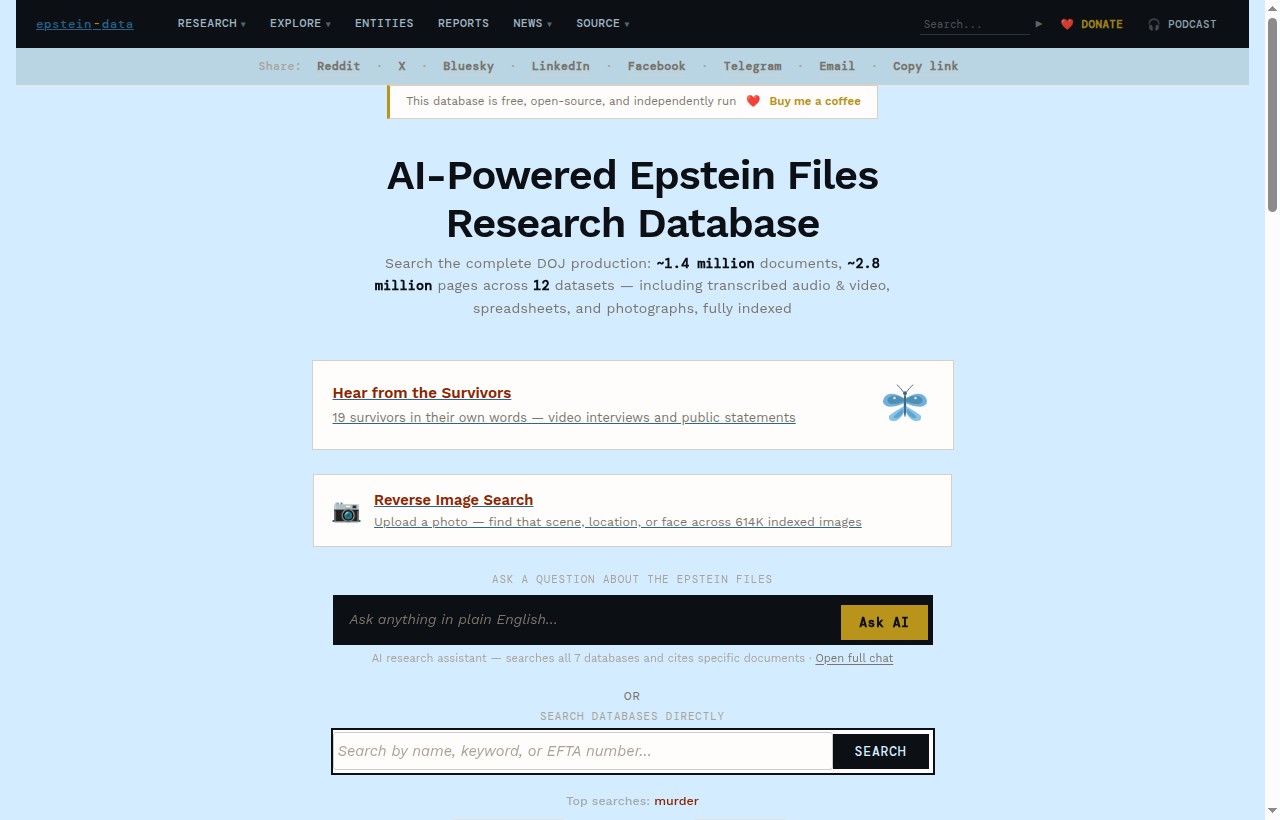
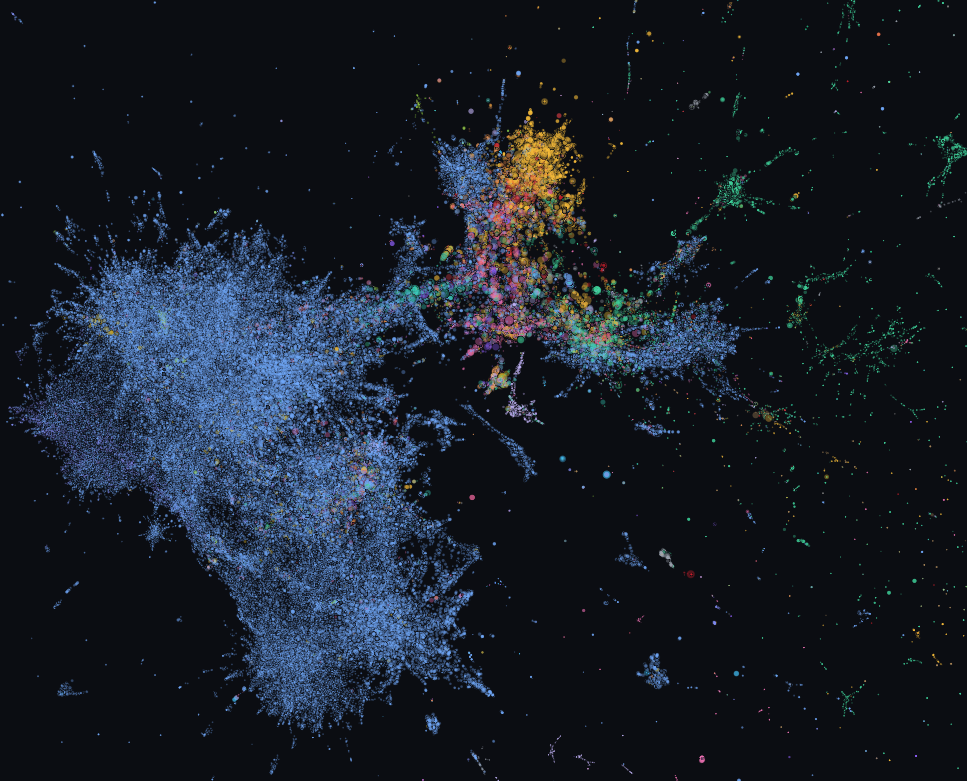
Searchable, entity-linked, citation-backed databases for massive public document dumps, built from OCR, redaction analysis, full-text search, image extraction, transcripts, and knowledge graphs.
1.4M+ documents, 2.9M+ pages, 190+ reports, PII-redacted database releases, and a public interface used for investigation and verification.
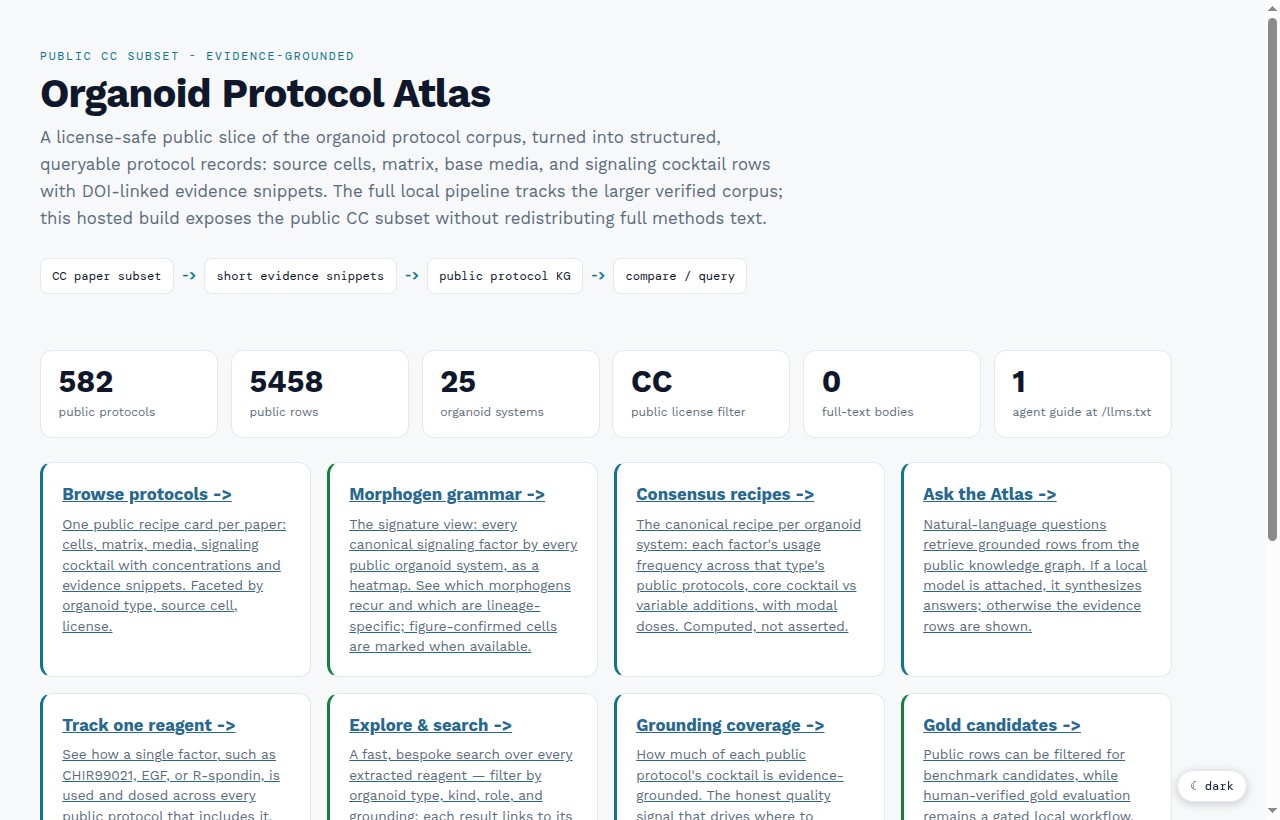
Evidence-grounded extraction of organoid culture protocols into structured records, preserving verbatim quotes, DOI provenance, grounding status, and protocol uncertainty.
582 papers, 25 organoid types, 5,458 grounded reagent records, KGX export, and a Datasette analytics API with dozens of protocol-intelligence endpoints.
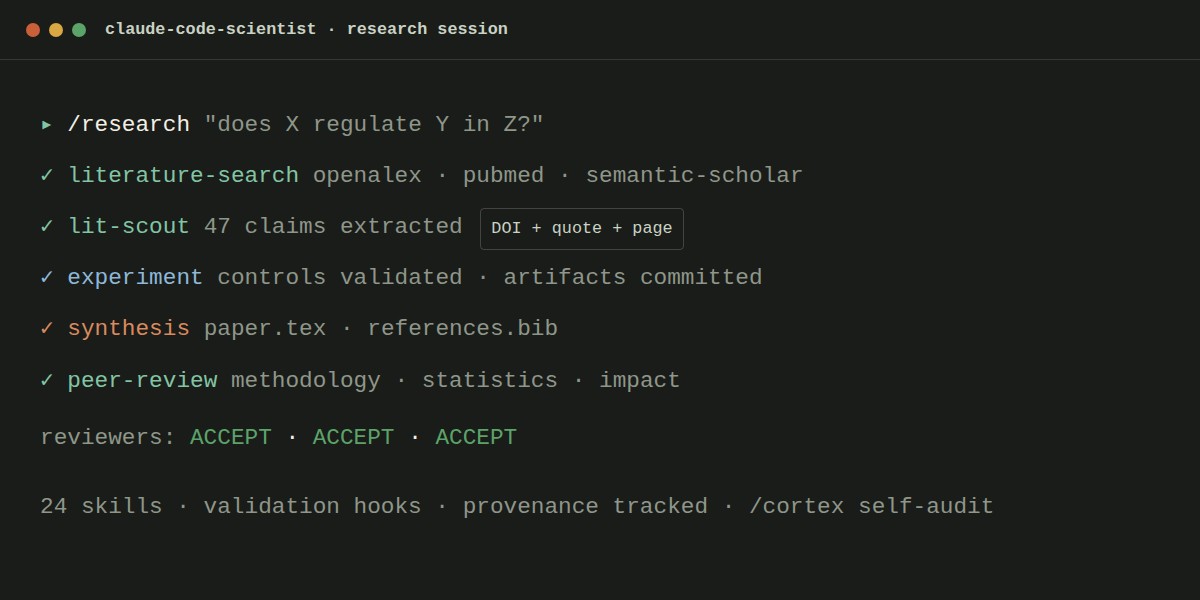
A semi-autonomous research system for Claude Code with literature search, provenance tracking, evidence extraction, LaTeX synthesis, peer review, experiments, and self-improvement loops.
24 skills, specialized subagents, validation hooks, literature APIs, peer-review gates, and session artifacts designed for auditable scientific work.
Claude CodePythonMCPOpenAlexPubMedSemantic Scholar
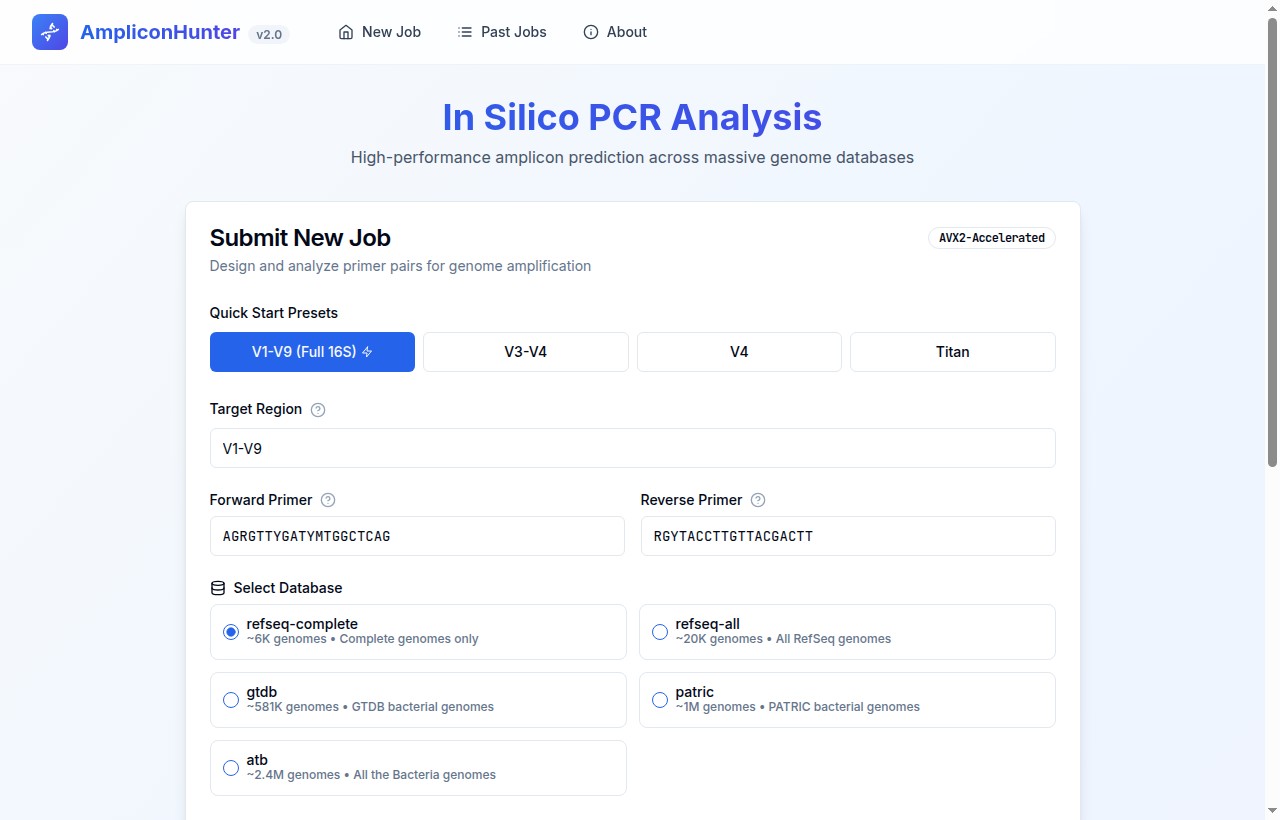
The research work centers on high-resolution microbiome profiling: long-read amplicon sequencing, realistic simulation, scalable primer search, and statistical analysis of noisy biological datasets.
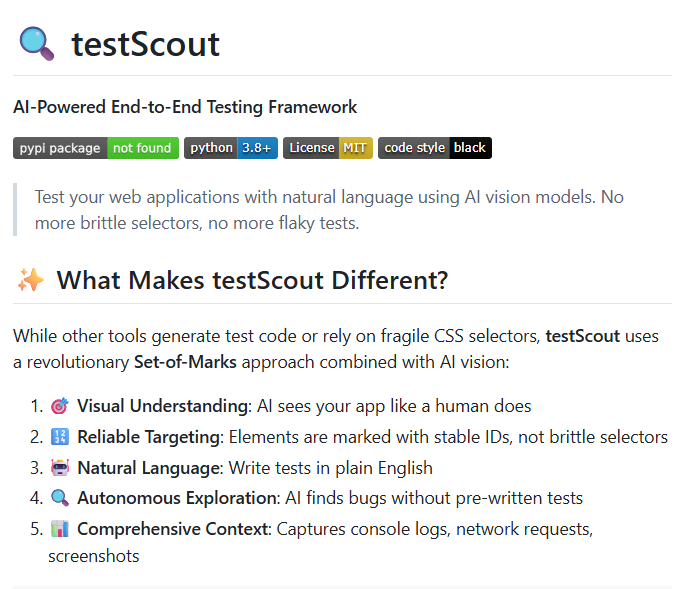
Natural-language, end-to-end web testing driven by AI vision. A Set-of-Marks approach targets stable element IDs instead of brittle CSS selectors, explores autonomously, and writes tests in plain English.
Every run keeps an audit trail: screenshots, prompts, decisions, network, and console logs.